Warehouse productivity depends on more than how quickly employees complete individual tasks. The way products, materials, and equipment are organized can significantly affect how efficiently a facility operates. When storage areas are cluttered or difficult to navigate, employees may spend unnecessary time searching for inventory, moving items, or working around inefficient layouts.
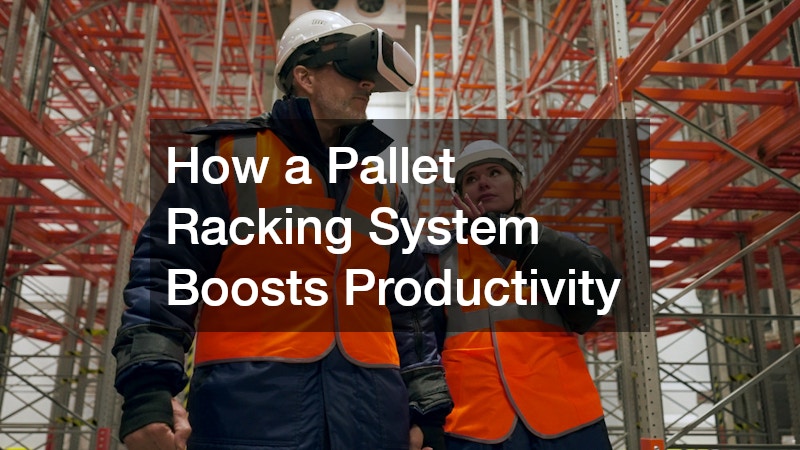
A well-planned storage solution can help businesses make better use of available space while creating a more organized working environment. A pallet racking system can support these goals by providing designated storage locations, improving accessibility, and helping warehouses establish more efficient workflows.
With thoughtful planning and proper maintenance, organized pallet storage can contribute to smoother day-to-day operations and improved productivity.
Make Better Use of Available Space
Warehouse space can be expensive, particularly when businesses need to accommodate growing inventory without expanding their facilities. Using floor space inefficiently can limit storage capacity and create unnecessary congestion.
Vertical storage provides an opportunity to make better use of the space that already exists. Instead of placing pallets across large areas of the warehouse floor, businesses can use shelving structures to store inventory at different heights. This approach can increase storage capacity while leaving more floor space available for employees, equipment, and other operational needs.
Making better use of vertical space can also help businesses avoid some of the disruption associated with expanding into a larger facility. When inventory can be stored more efficiently, companies may have more flexibility as their storage needs change.
Improve Inventory Accessibility
Productivity can suffer when employees have difficulty finding or reaching inventory. A disorganized warehouse may require workers to move multiple items before locating the product they need, creating delays that can add up throughout the day.
A pallet racking system can give inventory designated locations, making it easier for employees to identify where products belong and where they can be found. Businesses can organize storage according to product type, size, demand, or other relevant characteristics.
Frequently accessed products, for example, can be positioned in convenient locations, while less frequently needed inventory can be stored in areas that are not as easily accessible. Establishing a logical arrangement can reduce unnecessary movement and make common warehouse tasks more straightforward.
Clear labeling can further improve accessibility. When storage locations are consistently marked, employees may spend less time determining where products should be stored or retrieved.
Reduce Time Spent Searching for Inventory
Searching for misplaced inventory can be a significant drain on employee time. Even a few extra minutes spent looking for individual products can accumulate when the same problem occurs repeatedly.
An organized storage layout provides a consistent framework for inventory management. Employees can become familiar with specific storage zones and understand where different categories of products are located.
Businesses can also establish inventory organization procedures that support consistency. Assigning products to specific locations, maintaining accurate records, and returning materials to their designated positions can help prevent storage areas from becoming disorganized.
Technology can complement these practices. Barcode scanning, inventory management software, and other digital tools can help businesses track products and identify storage locations. Combining organizational practices with appropriate technology can make inventory retrieval more efficient.
Make Inventory Management More Consistent
Consistency is an important part of warehouse productivity. When different employees use different approaches to storing or retrieving products, mistakes and delays can become more common.
Establishing standardized storage practices can create a repeatable process. Businesses can determine how products are categorized, where they are stored, how locations are labeled, and how inventory is returned after use.
A pallet racking system can provide the physical structure needed to support these procedures. However, the equipment itself is only part of the solution. Businesses also need clear policies that employees can follow consistently.
Regular reviews can help determine whether the current arrangement continues to meet operational needs. As inventory changes, certain products may become more popular, or new equipment may be introduced. Adjusting storage locations accordingly can help the warehouse remain efficient.
Plan Storage Around Business Needs
Every warehouse has different inventory requirements, workflows, equipment, and space limitations. A storage arrangement that works well for one facility may not be appropriate for another.
Businesses should consider the types of products they store, the weight and dimensions of those products, how frequently inventory is accessed, and what handling equipment employees use. These factors can influence the layout and type of storage solution that makes the most sense.
Planning ahead can also help businesses prepare for future changes. Companies experiencing growth may need additional capacity, while businesses with changing product lines may need more flexible storage arrangements.
Rather than focusing solely on how much inventory can fit inside a facility, businesses should consider how easily employees can access and manage that inventory. Efficient storage should support the entire workflow, not simply maximize the number of pallets stored.
A pallet racking system can be an important component of that strategy when it is selected and arranged around a facility’s specific needs. Businesses can maximize its value by combining appropriate storage equipment with clear labeling, standardized procedures, employee training, regular maintenance, and thoughtful inventory organization.
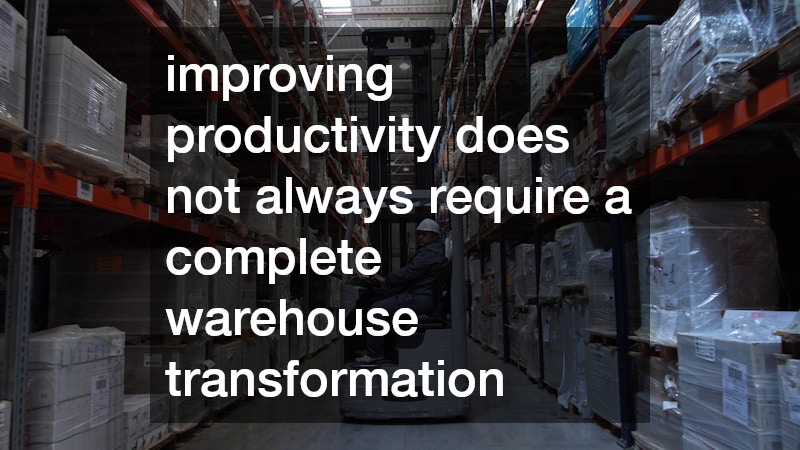
Ultimately, improving productivity does not always require a complete warehouse transformation. Strategic changes to storage and organization can help employees spend less time searching, moving, and navigating around obstacles and more time completing the work that keeps operations moving.