A business property has to support customers, employees, deliveries, and daily operations, often within the same limited space. When part of the building deteriorates, the consequences can reach beyond appearance. A sticking entrance slows foot traffic, an unreliable cooler interrupts service, and a recurring leak can damage finishes that were recently replaced. Recognizing the underlying problem makes it easier to choose a repair that lasts.
Effective property maintenance starts with understanding what has changed and how it affects the people using the space. Some issues call for immediate restrictions or repairs, while others can be addressed through planned improvements. These twelve common problems illustrate how to connect visible symptoms with practical solutions, coordinate professional work, and reduce avoidable disruption.
1. Damaged Boundaries Leave Parts of the Site Exposed
Bent panels, leaning posts, and gates that no longer close can weaken the separation between public areas and business operations. Damaged commercial fencing deserves attention when it leaves storage areas, equipment, or restricted spaces accessible. A useful assessment considers both the visible damage and whether the surrounding installation still supports the property’s intended use.
Temporary access restrictions may be necessary while the damage is evaluated, particularly around unstable sections. Employees should know which gates remain usable and which areas need to stay clear. Treating the problem as more than a cosmetic defect helps prevent someone from relying on a barrier that no longer functions as expected. Loose or unstable components also deserve prompt attention.
Ask commercial fence contractors to assess posts, connections, and gate alignment before deciding how much material needs replacement. Replacing a panel without addressing an unstable support may leave the same weakness in place. The goal is a boundary that closes properly and suits the activity on each side, with repairs based on the condition of the complete installation.
2. Worn Floors Interfere With Safe, Efficient Movement
Cracks, worn coatings, and uneven transitions can make carts harder to move and create obstacles along busy routes. The first step is identifying whether the damage affects the surface finish, the underlying floor, or both. Covering deterioration without understanding its cause can lead to another failure and leave the original movement problem unresolved.
For suitable concrete areas, commercial epoxy flooring may provide a durable surface that fits the space’s traffic and maintenance demands. Its suitability depends on the substrate, moisture conditions, and exposure to equipment or chemicals. Discuss those conditions before selecting a system, rather than choosing solely by color or the appearance of a finished sample.
Plan the work around actual movement through the building, including deliveries and access to essential rooms. Staff need a usable alternate route while preparation, application, and curing take place. Confirm when the surface can accept foot traffic and equipment so reopening decisions reflect the installed product’s requirements. A clear schedule prevents an unfinished floor from becoming an unexpected operational obstacle.
3. Cold Storage Cannot Maintain Consistent Conditions
Temperature swings, persistent alarms, or equipment that runs unusually often can interfere with dependable cold storage. Providers of commercial refrigeration services can assess the system and identify whether the problem involves controls, airflow, worn components, or another fault. Record the observed temperatures and operating symptoms so the service provider receives useful information about what has changed.
Products should be managed according to the business’s applicable handling procedures while equipment performance is uncertain. Do not assume that a brief return to the normal temperature means stored items remained within acceptable conditions throughout the interruption. Reliable records help separate an equipment problem from the decisions required about affected inventory, which may depend on the products being stored.
The solution should address why performance became unreliable instead of merely clearing an alarm. Blocked airflow, damaged seals, and mechanical faults require different responses, even when they produce similar temperature complaints. Have the provider explain the findings and any operating changes needed after repair. Clear expectations help employees recognize whether the equipment has returned to normal behavior.
4. Indoor Temperatures Vary Sharply Between Areas
Persistent drafts and uncomfortable temperature differences can make some rooms difficult to use even when heating and cooling equipment is operating. Missing or deteriorated commercial insulation may contribute to those conditions, but the cause should be evaluated before materials are added. Air leakage, system performance, and the building’s layout can also influence how different areas feel.
Document where discomfort occurs and whether it follows weather changes, occupancy, or operating schedules. A room beside a frequently opened loading entrance presents a different problem from an enclosed office that remains uncomfortable all day. That distinction helps focus the assessment on actual conditions. It also prevents a building-wide improvement from being chosen for a problem limited to one area.
Drafts around commercial glass doors may point to worn seals, alignment issues, or other entrance defects that deserve separate evaluation. Improving wall or ceiling performance will not correct a doorway that fails to close properly. Addressing each source in a sensible order produces a more useful result than treating every temperature complaint as a problem with the heating or cooling equipment.
5. Drains Slow Down or Back Up Repeatedly
A sink that empties slowly or a floor drain that backs up can interrupt routine work and leave affected areas difficult to use. Recurring symptoms deserve professional attention because a brief improvement does not establish that the obstruction is gone. Note which fixtures are involved and whether the problem appears during normal use or only during heavier demand.
When buildup or an obstruction restricts flow, commercial drain cleaning may be an appropriate remedy. Repeated backups, however, can also indicate a problem that requires further assessment rather than repeated clearing alone. Explain the history of the issue so the provider can determine whether cleaning addresses the cause or whether another condition needs investigation.
Keep people away from active overflow and restrict use of affected fixtures until the situation is evaluated. Water should not continue spreading simply because the drain occasionally begins moving again. Once service is complete, clarify what symptoms should prompt another assessment and whether operating practices are contributing to the buildup. This makes the repair easier to support through daily use.
6. Grime Accumulates Despite Routine Upkeep
Visible buildup often signals a mismatch between the space’s actual use and its maintenance schedule. A commercial cleaning schedule should reflect traffic patterns, surface materials, and the activities taking place throughout the property. An entrance exposed to wet footwear has different needs from a quiet office, while a busy break area may require attention beyond the building’s general schedule.
Look for where dirt returns fastest rather than assuming every area needs identical treatment. Overflowing waste containers, neglected corners, and residue along frequently used paths can reveal gaps in coverage. Clarify responsibilities and access arrangements so important areas are not repeatedly missed. Consistent upkeep becomes more practical when the work matches how the property functions during a normal day.
Maintenance methods also need to suit the installed surfaces, including commercial epoxy flooring where it is present. Incompatible products or unsuitable equipment can damage a finish or leave residue that affects traction. Use the flooring manufacturer’s care guidance when defining the routine. A durable surface still depends on appropriate upkeep to remain useful in a demanding business environment.
7. Entrance Doors Stick or Fail to Latch
Doors that drag, slam, or refuse to latch create problems for nearly everyone entering the building. With commercial glass doors, the symptom may involve hardware, alignment, seals, or another component rather than the glass itself. Have the assembly assessed before assuming that replacing one visible part will restore dependable operation across the entire entrance.
Pay attention to when the problem occurs, including during windy weather or periods of heavy use. A door that operates acceptably when the building is quiet may still fail repeatedly during business hours. Employees should not have to improvise around unpredictable operation. Keep an unsafe entrance out of use while maintaining an appropriate alternate route and arranging professional attention.
If replacement components are needed, a commercial door supplier can help identify products compatible with the existing assembly and its intended function. Measurements alone do not establish that hardware will work properly with a particular door. Matching the components to the application reduces the risk of creating a new operating problem while trying to correct the original one.
8. Paint Peels, Stains, or Wears Through
Peeling coatings and scuffed walls can make a property look neglected, but appearance is only part of the problem. Damage may reflect moisture, repeated contact, poor adhesion, or ordinary wear. Examine where the deterioration occurs before choosing a response, particularly when the same patch has failed more than once. A stain also needs an explanation before it is covered.
Professional commercial painting services can address surface preparation and coating selection once underlying defects have been resolved. Areas exposed to frequent contact may need a different finish from quieter rooms or sheltered surfaces. Explain how each space is used so the proposed work accounts for cleaning demands, equipment movement, and other conditions that affect the coating’s performance.
Scheduling matters when freshly painted areas sit beside customer seating, merchandise, or essential workstations. Coordinate access, protection, ventilation, and reopening requirements with the provider before work begins. Breaking a project into usable areas may help the business keep operating. The finished appearance should support daily use rather than require staff to work around an impractical maintenance choice.
9. Deliveries and Pedestrians Compete for Space
A property can have intact barriers and still suffer from an awkward layout. Experienced commercial fence contractors may help evaluate boundary or gate changes when delivery vehicles, employees, and visitors repeatedly cross the same constrained area. Start by identifying the conflicting movements rather than assuming that adding another barrier will automatically make the site easier to use.
Observe the property during its busiest periods, when a parked delivery vehicle or queued customer can block an otherwise workable route. Gate swing, turning space, and access to frequently used areas all matter. Changes should account for the people who use the site every day, including those arriving on foot. A layout that works only when the property is empty needs reconsideration.
Any proposed commercial fencing should be coordinated with entrances, loading activity, and necessary access before installation begins. A barrier that separates activities effectively in one location may create a bottleneck elsewhere. Review how the proposed arrangement functions during deliveries and normal business hours. The solution should make movement more predictable without cutting off a route the business still needs.
10. Condensation and Damp Patches Keep Returning
Recurring dampness deserves investigation before damaged materials are enclosed or covered. Adding commercial insulation over an unresolved moisture problem can conceal deterioration without addressing its source. Leaks, condensation, and ventilation problems require different responses, so the pattern and location of the moisture matter. Report whether the affected area changes with weather or building use.
Moisture can travel or become visible somewhere other than its point of origin, making a surface stain an incomplete explanation. Have the cause assessed and corrected before restoring adjacent materials. Restrict use where wet surfaces or damaged components create hazards. The aim is to resolve the condition that keeps returning, not simply restore the room’s appearance for a short period.
Schedule commercial painting services after the moisture source has been corrected and the affected surface is suitable for coating. Rushing that sequence can leave fresh work exposed to the same failure. Coordinate the repair and finish work so each provider understands when the preceding stage is complete. Dry-looking paint should never substitute for confirmation that the underlying problem has been addressed.
11. Maintenance Work Interrupts Essential Operations
Poorly timed repairs can disrupt a business even when the work itself is necessary. Plan commercial refrigeration services around delivery schedules, storage needs, and arrangements for affected stock when equipment must be taken offline. The appointment should account for what happens during the interruption, not just when a technician can arrive. Urgent failures may require faster adjustments than planned maintenance.
Create a practical work schedule that identifies which rooms, routes, utilities, or equipment will be unavailable. Staff need clear information about alternate arrangements and the conditions for resuming normal use. Avoid booking overlapping projects that block each other’s access or leave the business without an essential function. Good coordination reduces confusion when several property improvements are happening close together.
Where drainage history suggests trouble during peak demand, commercial drain cleaning can be scheduled before the next busy operating period rather than during an active backup. Confirm the appropriate scope with the provider and allow access to the affected fixtures. Preventive timing is useful when it responds to an identified problem. It should complement diagnosis rather than become a substitute for resolving recurring defects.
12. Entrances No Longer Suit Daily Use
A doorway that suited the business years ago may no longer accommodate its traffic, deliveries, or equipment comfortably. Involve a commercial door supplier early when changing the entrance so product selection follows the actual opening and operating needs. Consider how people and goods move through the space. A replacement chosen only to resemble the old door may preserve the same limitations.
Discuss clearance, operating hardware, visibility, and the demands created by the business’s busiest periods with the appropriate professionals. An entrance improvement should also work with the surrounding floor and nearby circulation space. Moving the bottleneck a few feet inside does little to improve daily use. Evaluate the complete route before committing to changes at the doorway alone.
Include commercial cleaning in the reopening plan after entrance work so dust, debris, and tracked material do not remain in the restored route. Coordinate that work after installation activity is complete and before customers return to the area. A functioning doorway is only part of a usable entrance. The surrounding space also needs to be ready for normal traffic.
Build a Maintenance Plan Around Actual Property Needs
Solving property problems starts with matching the response to the cause, the space, and the way the business operates. A recurring symptom deserves closer attention than a cosmetic patch, while a planned improvement needs enough coordination to avoid creating another obstacle. Keep records of repairs and developing issues so decisions reflect the property’s condition over time.
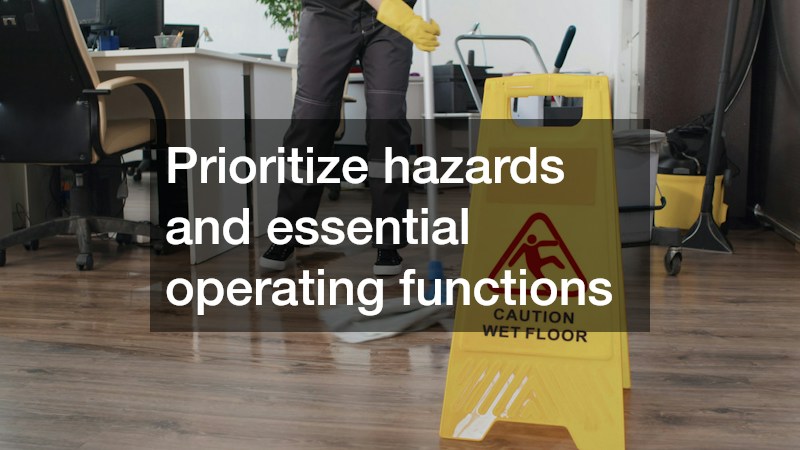
Prioritize hazards and essential operating functions, then organize remaining work around access and practical scheduling. Clear responsibilities help employees recognize changes and report them before disruption spreads. With appropriate professional assessment and consistent follow-through, building upkeep becomes a planned part of operating the business rather than a series of disconnected reactions to the latest failure.