The modern office environment has evolved from a passive physical grid of desks and chairs into a dynamic, living ecosystem that directly dictates corporate productivity, employee retention, and overall organizational health. In a competitive global economy, high-performing enterprises recognize that fostering an environment where professionals truly thrive requires looking far beyond basic architectural aesthetics. It demands a holistic, strategic commitment to physical comfort, psychological safety, absolute environmental hygiene, and rapid structural crisis resilience.
When an organization invests intentionally in its workspace infrastructure, it sends a clear signal to its workforce that their well-being is a core corporate priority. Conversely, neglected office mechanics, whether in the form of poor indoor air quality, inadequate sanitation facilities, or unaddressed environmental anxiety, can lead to chronic employee fatigue, systemic burnout, and declining performance metrics.
I. Cultivating a Psychological Safety Net

Enhancing Employee Well-Being and Mental Resilience Pathways
The bedrock of a thriving office environment resides in its invisible cultural and psychological infrastructure. Employees cannot achieve peak creative velocity or maintain high focus stamina if they are operating under the weight of unmitigated professional stress, personal anxiety, or emotional exhaustion. Progressive corporate leadership teams counter these systemic mental health strains by destigmatizing mental wellness and actively embedding professional support systems directly into the corporate benefits package. Offering confidential, on-site or virtual counseling service frameworks allows employees to navigate workplace interpersonal friction, imposter syndrome, and personal life transitions with the guidance of a credentialed professional, preserving their focus and stabilizing corporate retention metrics.
Furthermore, forward-thinking organizations understand that mental health support must be multi-tiered to address acute, deeply rooted emotional crises. Partnering with a certified depression therapy service ensures that employees facing prolonged cognitive fatigue, profound burnout, or clinical mood changes have a clear, rapid pipeline to specialized clinical interventions. Providing these resources under total privacy shields builds an unshakeable culture of psychological safety, proving to your workforce that the enterprise views them as valuable human assets rather than mere cogs in a transactional production wheel.
Establish Dedicated On-Site Quiet Rooms:
Designate private, acoustically insulated wellness spaces where employees can step away from open-office noise to decompress, practice mindfulness, or conduct confidential therapy sessions.
Integrate Subsidized EAP Communication Channels:
Ensure your Employee Assistance Program (EAP) features an intuitive, mobile-first interface that connects staff with mental health professionals in real time without red tape.
Train Leadership on Empathy-Driven Management:
Conduct mandatory emotional intelligence workshops for middle managers to help them identify early physical and behavioral indicators of acute employee burnout.
II. Upgrading Essential Comfort Infrastructure
Maximizing Workplace Dignity Through High-End Sanitation Facilities
While collaborative open spaces and high-tech conference rooms often capture the spotlight in corporate design, the silent champion of daily employee satisfaction is the quality of the building’s essential personal comfort zones. The condition of the corporate restroom has a massive, measurable impact on employee morale and workplace dignity. Undertaking a comprehensive commercial bathroom remodeling project is an exceptionally high-ROI physical upgrade that transforms a high-traffic utility zone into a clean, modern, and refreshing sensory break space for your workforce.
A high-performing commercial restroom renovation should move entirely away from outdated, dark, and difficult-to-clean materials in favor of bright, universally accessible, and touchless architectural layouts. Utilizing quartz countertops, large-format porcelain tiling with minimal grout lines, and advanced touchless plumbing fixtures drastically reduces bacterial cross-contamination vectors while slashing building maintenance costs. By providing individual full-height privacy stalls, premium ambient ventilation systems, and warm, variable LED lighting, you create a deeply reassuring environment that elevates daily employee comfort levels and reflects a total corporate commitment to institutional quality.
Deploy 100% Touchless Sensor Arrays:
Integrate automated touchless soap dispensers, sensor faucets, and high-velocity HEPA-filtered hand dryers to eliminate physical touch points and protect workplace health.
Install Full-Height Absolute Privacy Enclosures:
Replace standard, gapped metal bathroom dividers with structural, floor-to-ceiling solid doors to maximize acoustics and user privacy.
Optimize Mechanical Air Exchange Matrices:
Upgrade restroom ventilation hardware to ensure continuous, negative-pressure air exchanges that rapidly purge ambient odors and prevent moisture accumulation.
III. Implementing Multi-Threat Emergency Safeguards
Engineering On-Site Structural Protection Networks for Severe Weather Events
A workplace where employees can truly thrive must be structurally engineered to defend human life against extreme, unpredictable environmental disruptions. In an era marked by shifting global weather patterns and an increase in catastrophic atmospheric volatility, workforce anxiety regarding physical workplace safety is at an all-time high. To build an unshakeable sense of physical security, facilities managers must construct a dedicated, code-certified storm shelter directly within or adjacent to the primary office facility. Having a structurally reinforced sanctuary capable of withstanding extreme horizontal shear forces and high-velocity projectile impacts provides your workforce with definitive protection during sudden tornadic or severe straight-line wind crises.
Beyond severe weather protections, comprehensive corporate safety engineering requires mitigating everyday physical hazards that threaten high-occupancy office campuses. Implementing a state-of-the-art fire safety infrastructure is a non-negotiable prerequisite to legal compliance and workplace trust. This includes outfitting the entire commercial footprint with addressable fire alarm systems, automated multi-zone wet pipe sprinklers, clearly illuminated tactile exit pathways, and strategic placements of multi-use fire extinguishers. Conducting regular, unannounced, and highly coordinated evacuation drills ensures that your workforce can navigate an emergency scenario with calm, clockwork precision, completely insulating the enterprise from panic or injury vectors.
Construct a FEMA-P-361 Compliant Life Sanctuary:
Ensure your structural safe-room utilizes thick, reinforced concrete walls and heavy-duty structural steel locking doors rated to withstand a continuous 250MPH wind-load threshold.
Deploy Intelligent Smart Smoke Detectors:
Install addressable optical smoke sensors that ping the exact geometric room coordinates of a thermal anomaly directly to local emergency dispatchers within seconds.
Maintain Unbroken Emergency Power Backups:
Connect all emergency exit signage, pathfinding LED lines, and safe-room ventilation pumps to high-capacity, on-site automated diesel generator grids.
IV. Cultivating Dynamic Workforce Flexibility
Leveraging Modern Labor Models and Adaptive Scalability Frameworks
The modern corporate landscape demands an extraordinary level of agility, both in spatial design and human capital management. For an office environment to remain vibrant and unburdened by operational stress, the organization must master the mechanics of flexible staffing scalability. Forcing a lean, over-stretched internal team to absorb sudden spikes in project volume or seasonal contract workloads is a primary catalyst for workplace resentment and declining employee morale. Utilizing a strategic contract staffing model allows executive leaders to inject highly skilled, temporary professionals into specific team lanes exactly when project demands intensify, completely protecting your core full-time workforce from facing crushing workloads and operational burnout.
This adaptive labor philosophy directly reshapes the physical layout of the modern office. With a rotating, dynamic mixture of full-time employees, remote consultants, and temporary contractors cycling through the building, the workspace must abandon rigid rows of assigned cubicles in favor of an agile, hot-desking ecosystem. Providing modular, unassigned workspaces configured with universal docking stations, collaborative media hubs, and private focus pods ensures that temporary and full-time team members can integrate seamlessly, share technical insights rapidly, and maintain peak productivity without facing spatial restrictions.
Build Direct Partnerships with Elite Staffing Registries:
Maintain active service agreements with specialized, model-specific staffing agencies to source pre-vetted technical talent within a rapid 48-hour onboarding window.
Deploy Universal Cloud-Based Docking Stations:
Equip all unassigned agile desks with standardized USB-C single-cable power and dual-monitor interfaces to enable plug-and-play productivity for any team member.
Establish Clear Hybrid-Work Operational Contracts:
Construct explicit corporate guidelines balancing remote flexibility with on-site collaboration blocks to maintain a healthy, connected corporate culture.
V. Enforcing Total Biological and Environmental Hygiene
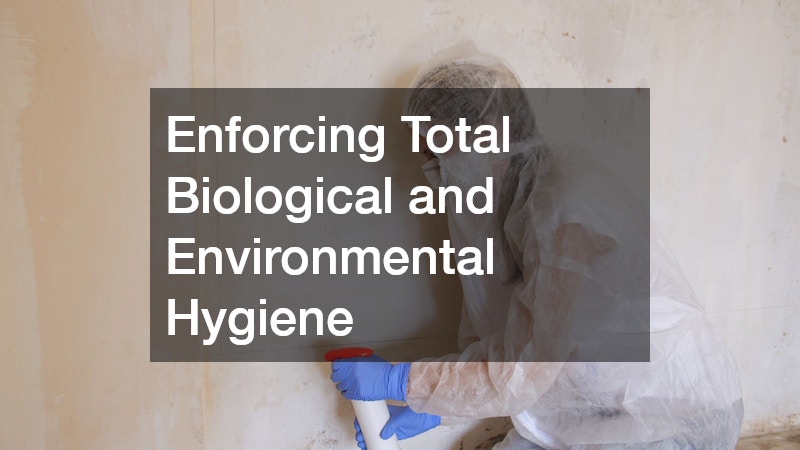
Deploying Scientific Rodent and Vector Eradication Protocols
The baseline health, cognitive performance, and emotional comfort of your workforce are directly tethered to the absolute physical hygiene and biological safety of the corporate facility. The unexpected presence of hidden urban pests inside breakrooms, office desk drawers, or interstitial ceiling spaces is a catastrophic threat vector that destroys employee trust, compromises food safety, and introduces severe biological allergens to the workplace. Retaining a professional mouse exterminator at the first sign of a wildlife breach is an essential facility maintenance rule. These specialized wildlife technicians locate microscopic structural entry points along the building foundation, deploy clean snap-trap matrices far away from employee view, and execute total exclusion repairs to seal the perimeter permanently.
To complement small-mammal exclusion protocols, facilities directors must maintain an unyielding, proactive defense against invasive insect populations. Implementing a multi-layer cockroach control program is non-negotiable for commercial facilities that operate large on-site corporate cafeterias, shared kitchenettes, or heavy-volume waste disposal sectors. Professional pest management teams use advanced, low-toxicity gel baits and targeted insect growth regulators inside wall voids and plumbing access chasms to neutralize insect reproductive cycles without releasing airborne chemical odors that could trigger respiratory distress or sensory sensitivities in your workforce.
Execute Comprehensive Structural Perimeter Exclusions:
Seal all foundational masonry cracks, utility line entry points, and firewall pipe penetrations using heavy-duty steel mesh and commercial-grade expanding polyurethanes.
Implement strict Breakroom Sanitation Protocols:
Enforce clear, mandatory rules requiring all organic food waste to be disposed of in centralized, tightly sealed waste receptacles that are cleared from the building daily.
Schedule Late-Night Pest Interception Treatments:
Conduct all biological treatments, trap checks, and baiting applications outside standard business hours to preserve a discrete, professional office presentation.
VI. Amplifying Corporate Communication and Social Connectivity
Integrating Modern Digital Media into Workplace Culture Frameworks
A thriving office environment must offer a compelling social value proposition that answers why employees should choose to commute to a physical corporate campus rather than working in permanent isolation at home. Human beings possess an intrinsic psychological need for authentic social connection, peer recognition, and a shared sense of organizational purpose. High-performing enterprises tap into this social energy by integrating modern digital media and interactive social media internal loops into their physical office architecture, transforming traditional bulletin boards into high-engagement, community-building digital touchpoints.
Deploying high-definition digital signage networks throughout corporate elevator bays, central lounges, and employee dining hubs allows internal communications teams to celebrate individual employee milestones, broadcast real-time project victories, and highlight grassroots community volunteer initiatives. Creating a dedicated, physically comfortable digital content creation studio on-site allows internal brand ambassadors and staff members to easily record podcasts, stream internal training panels, and publish authentic, behind-the-scenes culture reels. This dynamic visual framework boosts internal morale, bridges cross-departmental silos, and builds an active corporate community that positions the office as an inspiring center of professional lifestyle growth.
Install Interactive Digital Recognition Pillars:
Utilize sleek, wall-mounted display monitors in high-traffic common areas to broadcast peer-to-peer appreciation callouts and project success metrics.
Construct an On-Site Corporate Media Production Studio:
Build a small, acoustically treated studio bay equipped with high-quality microphones and modern visual lighting grids to empower staff to capture internal media assets easily.
Launch a Controlled Internal Social Intranet Channel:
Implement secure corporate networking platforms where employees can easily form special-interest groups, coordinate local volunteer teams, and share non-professional achievements.
VII. Auditing Physical and Chemical Safety Metrics
Partnering with Elite Engineering Advisors to Guarantee Indoor Air Quality
The long-term cognitive endurance, respiratory health, and physical energy levels of your office workforce are deeply influenced by the microscopic chemical makeup of the indoor air they breathe for forty hours a week. Closed commercial office buildings are highly vulnerable to “sick building syndrome,” a physical operational failure where volatile organic compounds (VOCs) outgassed from new office furniture, synthetic carpets, and industrial cleaning solvents accumulate inside stagnant air blocks. To eliminate these invisible safety threats, facilities directors must partner with independent environmental consultants to execute comprehensive, data-driven air quality and chemical toxicity audits across the entire office campus.
These specialized engineering advisors utilize advanced photoionization detectors and laser particle counters to measure indoor formaldehyde levels, carbon dioxide concentrations, radon gas risks, and airborne mold spore counts. If an audit reveals elevated chemical or biological density metrics, these consultants provide independent engineering recommendations—such as adjusting HVAC outdoor air dampers, implementing strict green procurement guidelines for zero-VOC building materials, and upgrading internal air handling systems to hospital-grade MERV-13 or HEPA multi-stage filtration. Providing your workforce with a clean bill of environmental health removes health anxieties and lowers employee absenteeism driven by chronic indoor respiratory allergies.
Execute Comprehensive Chemical Outgassing Audits:
Contract certified industrial hygienists to measure workplace concentrations of formaldehyde, benzene, and synthetic chemical solvents every twelve months.
Implement Continuous Digital Carbon Dioxide Monitoring:
Install smart CO2 sensors linked directly to your building’s automated HVAC controls to trigger an immediate influx of fresh outdoor air whenever indoor CO2 metrics cross 800 parts per million.
Transition Exclusively to Certified Green Cleaning Standards:
Enforce strict procurement guidelines mandating that all contract cleaning services utilize EcoLogo or Green Seal certified low-chemical non-toxic cleaning agents.
Building a highly successful, resilient corporate office environment where employees can truly thrive requires moving completely away from superficial design updates and embracing a deeply disciplined, scientific approach to facilities management and workplace culture. The transformation from a traditional, static office layout into an inspiring ecosystem of productivity is achieved through a sequence of calculated structural upgrades, proactive health interventions, and empathetic leadership commitments. By balancing your operational scaling with clinical mental health resources, touchless sanitation remodeling, heavy-duty severe-weather safe rooms, and scientific indoor environmental certifications, your organization can confidently capture top-tier professional talent and optimize its collective output.
The ultimate value of a holistically optimized workplace is found in its systemic interconnectedness, the profound reality that an executive investment in a touchless commercial bathroom remodel or an advanced air-purification audit directly protects employee health, lowers structural corporate risks, and drives long-term bottom-line profitability. While shifting hybrid-work trends, evolving labor markets, and unpredictable economic factors will always present fresh corporate puzzles, an enterprise that respects its physical infrastructure and prioritizes the well-being of its workforce will always win.