Starting an industrial trade enterprise requires balancing technical mastery with deep operational discipline. For a new business owner, transitioning from a skilled manual operator to a corporate stakeholder means moving past simple weld puddle control to focus entirely on contract execution, liability management, risk mitigation, and supply chain logistics. The margins between a highly profitable production run and a catastrophic contract breach often come down to the foundational workflows established within your first few months of opening doors.
This ultimate checklist serves as a comprehensive operational blueprint. It details the precise steps required to build a compliant, efficient, and highly scalable production facility. By methodically working through these technical, regulatory, and infrastructural benchmarks, you can transform your newly formed entity from a simple job shop into a premier regional asset capable of handling complex industrial fabrications.
Establishing Core Legal and Operational Infrastructure
The transition from a freelance rig operator to a recognized industrial enterprise begins with isolating personal liability and establishing a formal corporate presence. For an operation that handles extreme heat, high voltages, compressed gases, and structural building elements, registering your entity correctly is the first line of defense against catastrophic asset loss. Most trade entrepreneurs elect to establish a Limited Liability Company (LLC) or an S-Corporation. This structural division ensures that if a component undergoes structural failure on a client site, corporate assets are not exposed, but rather personal property.
Once your corporate registration is validated by your state, securing an aggressive, multi-layered commercial insurance strategy is vital. Standard off-the-shelf business insurance policies are fundamentally inadequate for a modern welding company. Your insurance portfolio must be specifically tailored to hot-work hazards and heavy manufacturing processes. Ensure your broker structures an absolute indemnity package containing:
- Comprehensive General Liability (CGL): Protecting against third-party bodily injury and property damage resulting from on-site operations.
- Completed Operations Coverage: This is critical; it covers damages or structural failures that occur after your team has completed the fabrication work and left the job site.
- Inland Marine Insurance: This specialized rider covers your expensive multi-process inverter machines, plasma cutters, and heavy-duty tool arrays while they are in transit between your primary shop and field job sites.
Beyond structural insurance, locating your facility demands a strict review of municipal zoning regulations and environmental air quality mandates. Heavy metal fabrication produces significant ambient noise, bright arc flashes, and hazardous metallic dust, making light-industrial or heavy-industrial zoning designations mandatory. You must cross-reference your site selection with local environmental ordinances to verify requirements for heavy particulate emissions. Depending on your county, you may be required to register your workshop with state environmental protection divisions, ensuring your manufacturing processes do not release unmitigated chromium, manganese, or zinc particulate plumes into local residential zones.
Optimizing the Workshop Layout and Power Infrastructure
Operating industrial fabrication machinery demands robust electrical infrastructure. Standard residential or light commercial single-phase power distribution is entirely insufficient for running multiple high-amperage arcs simultaneously. Your workshop space must feature a true three-phase electrical supply, ideally a 480V configuration stepped down via dedicated transformers to meet individual machine demands. When structuring your power drops, ensure that each heavy-duty welding bay is supported by a dedicated circuit breaker with a minimum 60-amp to 100-amp rating. This prevents localized voltage drops from destabilizing your electrical grid when an operator strikes an arc on a thick structural assembly, keeping your voltage steady and your welds free of defects.
With your incoming power grids certified, you can map out your physical floor space using lean manufacturing layout methodologies. The physical path of raw steel through your workshop must follow a logical, unidirectional sequence to eliminate wasted material handling time and prevent cross-contamination. Consider implementing a floor plan that segregates the following processing zones:
- Raw Material Intake and Stock Storage: A wide, crane-accessible bay designed for unloading heavy structural beams, plates, and tubes directly from flatbed transport vehicles.
- Cutting, Burning, and Material Preparation: Housing your automated CNC plasma tables, heavy industrial band saws, and multi-angle ironworkers. This zone should be physically distant from finishing bays to keep cutting dross away from clean work.
- Primary Fabrication and Welding Bays: Individual, curtained work cells equipped with dedicated ground grids, overhead jib cranes, and multi-process power supplies.
- Finishing, Chemical Cleaning, and Polishing: An isolated, well-ventilated enclosure where welds are ground down, bead-blasted, or passivated with acid treatments without spreading abrasive grit across the shop floor.
- Quality Assurance, Staging, and Outbound Freight: The final stop where parts undergo dimensional verification and non-destructive testing before being strapped onto pallets for client delivery.
Woven completely into this physical layout is the placement of your environmental extraction equipment. High-volume welding operations produce significant volumes of toxic hexavalent chromium and manganese fumes. To maintain compliance with OSHA’s permissible exposure limits (PEL), you must invest heavily in source-capture fume extraction arms at every single fabrication workstation. These mobile hoods pull toxic dust directly away from the operator’s breathing zone. They should be paired with a central, roof-mounted dust collection system that cycles shop air through specialized HEPA filtration cartridges, ensuring a clean, safe indoor working environment year-round.
Procurement Strategies for Shielding Gases and Consumables
Managing your industrial gas supply line requires careful tracking of consumables and high-pressure storage safety protocols. Your workshop cannot scale if production stalls due to empty shielding gas cylinders. New companies must establish a commercial gas contract that includes a mix of high-pressure cylinders and bulk manifold systems, allowing you to scale up supply dynamically as your contract volume grows.
When organizing your gas cylinder storage area, you must adhere strictly to OSHA and National Fire Protection Association (NFPA) Standard 55 guidelines. This code mandates that oxygen cylinders in storage must be physically separated from fuel gas cylinders (such as acetylene or propane) by a minimum distance of 20 feet, or by a solid, non-combustible barrier at least 5 feet high with a fire-resistance rating of at least one half-hour. Every cylinder must be stored upright and secured tightly with heavy-duty steel chains to wall-mounted racks to prevent accidental tipping.
Your procurement team must match your precise welding gas selections to the mechanical metallurgy required by your active field contracts. For general carbon steel gas metal arc welding (MIG), a standard 75% Argon and 25% Carbon Dioxide mix balances cost with excellent arc puddle control. However, when transitioning to gas tungsten arc welding (TIG) on precision aerospace parts or high-pressure piping networks, pure Argon is required to preserve alloy purity and avoid porosity.
Your supply chain strategy may also require sourcing highly specialized industrial chemical inputs. For example, if your company expands into building critical power infrastructure or municipal energy transmission pipelines, your procurement pipeline will need to interface with a certified natural gas odorant supplier. These chemical systems inject distinctive warning aromas into high-pressure lines to ensure leak detection safety across public municipal grids, demanding perfect precision during the initial pipe joint fitting, system purging, and pressure certification phases.
Maximizing Workspace Safety, Prep Work, and Material Efficiency
A zero-injury workspace requires strict administrative policies alongside physical safety infrastructure. Every welding bay must be fully enclosed by specialized, UV-absorbing welding curtains to protect secondary shop floor staff from the blinding, irreversible effects of flash burns and arc eye. Daily pre-shift inspections must be strictly mandatory. Operators should systematically inspect their equipment, looking closely for frayed torch leads, cracked gas hoses, loose ground clamps, and damaged auto-darkening helmet lenses before striking their first arc of the day.
To complement these safety protocols, establish rigid standard operating procedures for base metal cleaning and joint preparation. Striking an industrial arc on contaminated steel is a fast track to failing non-destructive weld testing. Your fabrication cells must be supplied with dedicated cleaning assets, including flap discs, wire wheels, and residue-free chemical degreasers to completely strip away heavy mill scale, rust-inhibiting oils, and moisture before assembly.
- Stainless Steel Cross-Contamination: Maintain completely separate grinding wheels and wire brushes for stainless steel and carbon steel parts. Using a brush on stainless steel that previously touched carbon steel embeds trace iron particles into the clean joint, causing premature surface corrosion and destroying the alloy’s rust resistance.
- Aluminum Prep Work: Aluminum demands aggressive pre-weld deoxidizing using dedicated stainless steel wire brushes to strip off the invisible, high-melting-point surface oxide layer right before assembly.
Finally, your shop layout must prioritize resource efficiency by integrating a profitable metal recycling workflow directly into your daily clean-up routines. Industrial fabrication projects generate considerable volumes of raw scrap material, including structural steel offcuts, skeletal remains from CNC plasma operations, aluminum shavings, and expired copper-coated MIG tips.
By setting up a series of clearly labeled, color-coded scrap collection bins throughout the shop floor, you can keep expensive materials separated at the point of origin. Separating high-value 316 stainless steel and 6061 aluminum scrap from common carbon structural steel prevents down-cycling and allows your business to recapture maximum value from regional scrap yards, injecting vital cash back into your operational budget.
Scaling Production into Diverse Fabrication Domains
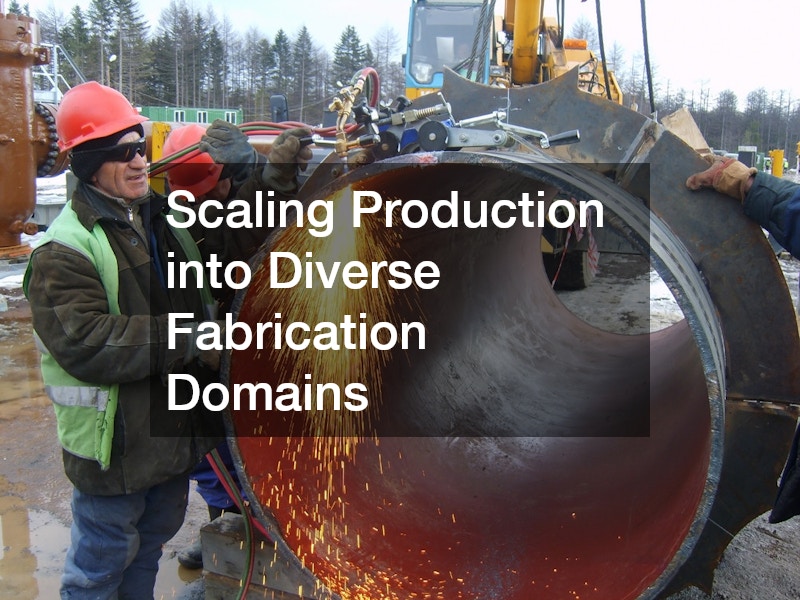
To transition your welding service business from a low-overhead hobby shop into a highly competitive, high-yield enterprise, you must diversify your capabilities to bid on multifaceted contract packages. Relying entirely on basic structural stick welding limits your market access and keeps your margins razor-thin. True scaling requires integrating multiple advanced processes, such as synchronized pulse MIG setups, high-frequency TIG welding machines, and automated sub-arc positioners. This tooling array allows your shop floor to transition smoothly between heavy industrial structural frames and thin-gauge interior components without slowing down your production lines.
When moving into thin-gauge industrial work, managing heat input becomes your primary operational challenge. Thin materials lack the thermal mass of heavy structural beams, making them highly susceptible to buckling, warping, and burn-through if over-welded. To mitigate this risk, train your layout operators in advanced heat-management strategies:
- Stitch Welding Patterns: Alternating your weld placement across the component to prevent localized thermal buildup along long seams.
- Aluminum Chill Blocks: Clamping heavy aluminum blocks directly behind your weld joint to act as a heat sink, rapidly drawing away excess energy and preserving straight profiles.
Expanding your technical footprint into advanced commercial sheet metal fabrication opens profitable doors to large-scale infrastructure projects. These projects range from high-volume commercial HVAC duct systems to custom kitchen arrays for industrial food processing plants. Bidding on these complex jobs requires deep familiarity with varied material finishes, including mirror-polished stainless steel and thin-gauge galvanized sheets. By demonstrating that your shop floor can handle both heavy structural steel and delicate architectural trims, you position your brand as a single-source solution provider for major developers and general contractors across the region.
Developing Workforce Competency and Quality Control Standards
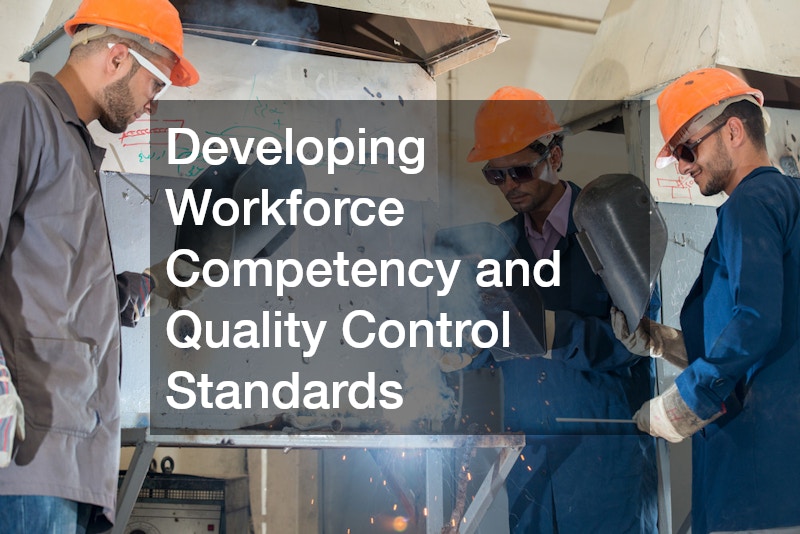
A fabrication enterprise is only as good as the verified skills of its individual technicians. To secure high-paying municipal and commercial contracts, you must establish an ongoing, rigorous program for welder training directly within your facility. The industrial manufacturing landscape evolves quickly, with modern pulse-arc parameters and advanced exotic alloy blends requiring continuous skill development. By dedicating shop space to regular skill evaluations, you can systematically cross-train your personnel, ensuring that an operator who typically works a MIG production line can step into a precision TIG cell when production volumes spike.
Your internal training program must align perfectly with the official Welder Performance Qualification (WPQ) testing parameters required by regional inspectors. Every welder on your payroll must hold active certifications matching the precise welding services and positions demanded by your incoming contracts. If your company is bidding on structural bridge frameworks or multi-story buildings, your operators must pass AWS D1.1 structural steel certifications in advanced positions like the 3G (vertical) and 4G (overhead) slots. For high-pressure boiler or chemical piping jobs, technicians must achieve ASME Section IX or 6G pipe qualifications.
To support these individual certifications, implement a rigorous, multi-layered quality control framework across your entire production line. Catching structural defects on the shop floor is far more cost-effective than remediating a failed joint after it has been shipped to a field site. According to major quality assurance field evaluations, integrating systematic visual inspections during both fit-up and final execution drastically reduces rework expenses. Your quality control team must be fully equipped to deploy advanced non-destructive evaluation methods, ensuring your final products consistently meet strict contract specifications:
- Visual Testing (VT): Checking for undercut, excessive reinforcement, surface porosity, and proper bead profiles before any parts advance to packaging.
- Liquid Dye Penetrant Testing (PT): Applying specialized fluorescent dyes to clean welds to surface any microscopic cracks or surface pores that are invisible to the naked eye.
Building a successful, highly profitable industrial enterprise requires a disciplined approach that balances technical execution with strict operational control. By systematically working through this ultimate checklist, from securing proper structural business insurance and stabilizing your three-phase electrical grids to standardizing base metal preparation and securing independent welder certifications, you protect your business from costly production bottlenecks and liability risks. Maintaining this strict commitment to quality and safety builds a lasting industry reputation, positioning your business to win high-margin commercial and municipal contracts for years to come. For professional fabrication and structural execution on your next project, connect with the expert team at Glenhaven Snow Company, LLC.