The blueprint of long-term commercial property value lies entirely in the hands of proactive infrastructure management. Whether you oversee a sprawling industrial park, a bustling retail center, or a corporate office complex, the physical estate represents a massive capital investment. Managing a property of this scale is not merely about fixing equipment when it breaks; it is about strategic asset preservation, mitigating legal liabilities, and ensuring daily operational continuity.
When infrastructure maintenance is deferred, the consequences are rarely confined to a single asset. A minor roof leak can damage electronic inventory, ruin drywall, and eventually lead to systemic air quality issues. A poorly maintained access road can damage transport vehicles, resulting in supply chain delays and sudden logistics bottlenecks.
This comprehensive guide serves as an operational blueprint for facility managers and property owners. By breaking down property upkeep into logical, manageable categories, you can audit your current practices, optimize your vendor relationships, and implement preventative strategies that protect your bottom line.
1. Implementing a Rigorous Fleet Inspection Routine
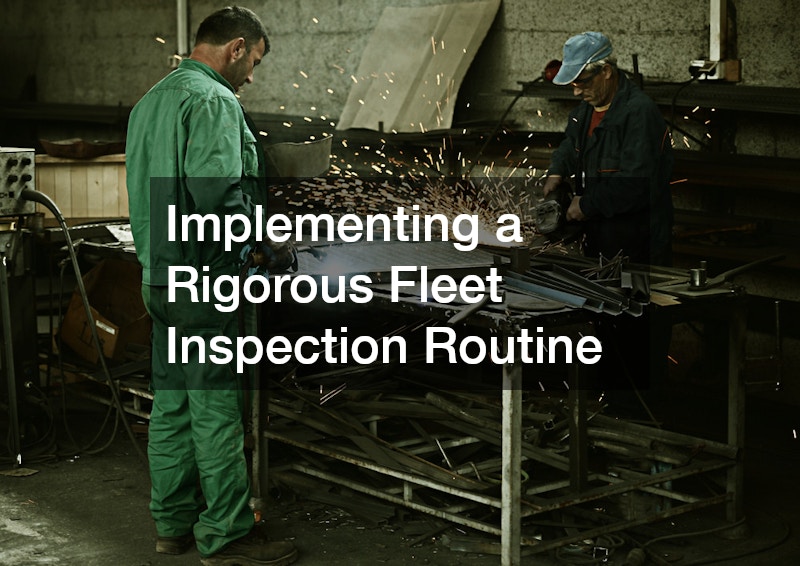
For facilities that operate their own delivery fleets, logistics yards, or heavy machinery, on-site transportation is the lifeblood of daily business. Without strict oversight, vehicle wear and tear can quickly compound into astronomical repair bills and unexpected downtime. A rigorous inspection routine is the first line of defense against these operational disruptions.
Facility managers should mandate daily pre-trip and post-trip inspections for all operators. These inspections should look beyond basic fluid levels to evaluate brake responsiveness, hydraulic line integrity, and electrical connections. Documenting these checks creates a data trail that helps identify repeating mechanical failures before they cause an accident on the road or the warehouse floor.
When complex mechanical issues arise, relying on internal maintenance staff can sometimes delay specialized diagnostics. Establishing a priority service agreement with a dedicated truck repair company ensures that your heavy-duty assets receive expert care immediately. Specialized technicians possess the advanced diagnostic tools required to troubleshoot modern diesel engines and complex transmission systems, getting your transport vehicles back into rotation swiftly.
2. Managing Logistics Yard Safety and Wear
The physical grounds where logistics operations take place endure immense physical stress. Loading docks, staging areas, and trailer parking zones are subjected to constant shifting weights, tight turning maneuvers, and heavy concrete friction. Over time, this environment can accumulate debris, loose fasteners, and structural hazards that threaten the vehicles moving through it.
Maintaining yard safety requires regular sweeping to remove metal shards, gravel, and stray wood from pallets. Additionally, concrete landing pads must be inspected for shifting or cracking, which can cause trailers to sit unevenly and complicate the loading process. Training yard spotters and forklift operators to report surface debris immediately minimizes the risk of sudden equipment failure.
Despite meticulous cleaning, tires remain highly vulnerable in high-traffic industrial environments. A single stray bolt can puncture a commercial vehicle tire, sidelining an entire delivery schedule. Partnering with a responsive tire repair company for on-site, rapid-response service prevents minor punctures from derailing your entire day. Having a trusted partner capable of handling roadside and yard-side tire replacements keeps your supply chain moving with minimal friction.
3. Executing Scheduled Roof Audits and Inspections
The building envelope is the structural shield that protects your interior assets, equipment, and workforce from the elements. At the core of this envelope is the commercial roofing system. Because commercial roofs are generally flat or low-sloped, they are uniquely susceptible to environmental stressors such as UV degradation, standing water, and thermal expansion.
A disciplined facility management strategy requires comprehensive roof audits at least twice a year, typically in the spring and autumn. Inspectors should carefully check for blistering membranes, failing flashing around HVAC curbs, and clogged roof drains. Water that pools on a roof for more than forty-eight hours accelerates the breakdown of roofing materials and increases the likelihood of a catastrophic structural leak.
When structural vulnerabilities are identified, minor patches are only temporary fixes. For large-scale repairs, restorations, or complete tear-offs, it is vital to secure contracts with established, licensed roofing companies that specialize in commercial architecture. Professional commercial roofers understand wind uplift ratings, proper insulation values, and the complex drainage requirements needed to keep a massive facility dry and structurally sound for decades.
4. Maximizing the Lifespan of Specialized Commercial Roofs

Many modern industrial complexes favor specialized roofing structures, such as metal standing-seam systems, due to their impressive longevity and fire-resistant properties. However, assuming that a metal roof requires zero upkeep is a costly mistake. Fasteners can back out over time due to the natural expansion and contraction of the building, and protective coatings can erode under harsh environmental conditions.
To maximize the lifespan of these specialized systems, maintenance crews must periodically inspect the panels for signs of surface rust, particularly along seams and around roof penetrations. Fasteners must be tightened or replaced with oversized alternatives, and neoprene washers should be checked for dry rot. Ensuring that the structural panels remain tightly locked prevents wind from catching the edges during severe weather events.
When a metal roof requires structural modification, rust remediation, or specialized protective coatings, general maintenance teams are often under-equipped for the task. It is highly beneficial to engage a specialized metal roofing company to manage these intricate systems. These experts possess the specific tools and technical training required to reseal seams, apply elastomeric coatings, and replace damaged panels without compromising the structural integrity of the entire building envelope.
5. Sourcing Custom Hardware for Structural Upgrades
Commercial and industrial spaces are rarely static environments. As business needs evolve, warehouses must be reconfigured, manufacturing lines require modification, and safety barriers must be installed to protect workers from heavy machinery. These alterations frequently require heavy-duty hardware, custom brackets, or specialized structural supports that cannot be purchased from standard commercial suppliers.
When upgrading your facility’s interior infrastructure, safety and structural integrity cannot be compromised. Homemade solutions or poorly welded modifications can fail under load, leading to severe workplace accidents or catastrophic equipment damage. Every custom modification—whether it is a reinforced mezzanine support, a heavy-duty security gate, or a tailored conveyor bracket—must meet strict engineering standards and local building codes.
To achieve this level of precision and safety, facility managers should collaborate with an industrial metal fabrication company for all custom hardware needs. Professional fabricators work directly with your engineering specifications, utilizing advanced techniques like computer-aided design, laser cutting, and certified welding to produce structural components that perfectly match the unique physical demands of your facility.
6. Streamlining Industrial Waste and Material Disposals
Industrial facilities, manufacturing plants, and distribution centers generate large volumes of waste material during daily operations and routine renovations. Managing this waste footprint efficiently is not just an environmental obligation; it is a critical component of spatial management and operational efficiency. Allowing scrap material to accumulate in work zones creates significant tripping hazards and restricts valuable floor space.
An effective waste management system involves setting up designated collection zones throughout the facility, clearly separating hazardous materials, general refuse, and recyclable commodities. Training employees to sort waste at the point of generation minimizes contamination and maximizes the economic value of your recyclable materials, transforming a waste management expense into an organized logistics routine.
For facilities that work extensively with raw metals or undergo frequent infrastructure retrofits, disposal needs can quickly overwhelm standard waste services. Establishing a direct relationship with a commercial steel recycling company allows you to implement a streamlined scrap removal program. These companies provide heavy-duty roll-off containers and scheduled pick-up services, helping you maintain a clean, compliant facility while recouping a portion of your material costs through metal reclamation.
7. Proactively Managing Indoor Air Quality and Climate Control
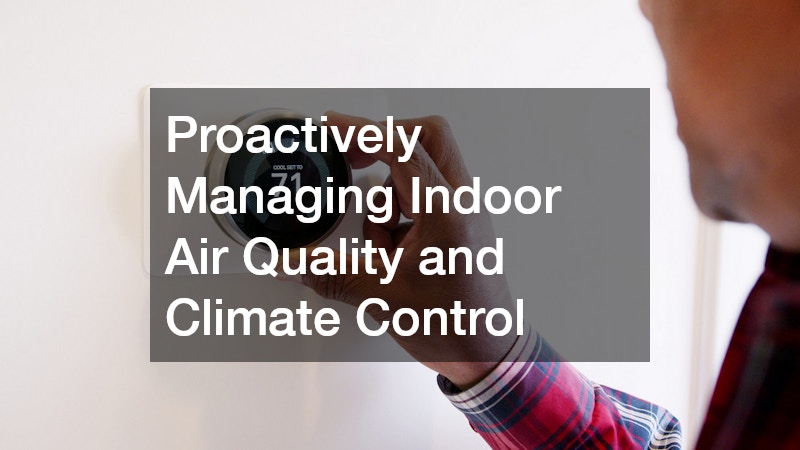
The interior environment of a commercial property directly impacts both human productivity and equipment longevity. Industrial machinery, server rooms, and stored inventory often require strict temperature and humidity ranges to function correctly. Furthermore, poor indoor air quality can lead to respiratory complaints among staff, driving up absenteeism and lowering overall morale.
Proactive climate management requires a meticulous preventative maintenance schedule for all air handling units. Filters must be replaced on a monthly or quarterly basis, depending on the dust levels generated by your operations. Evaporator and condenser coils must be cleaned regularly to ensure optimal heat transfer, and belt drives must be inspected for signs of fraying or slippage to prevent sudden system failure.
Given the immense complexity of multi-zone commercial variable air volume systems, chillers, and rooftop units, maintenance should never be left to guesswork. Partnering with a certified commercial HVAC company for seasonal tune-ups and regular system audits ensures your infrastructure operates at peak energy efficiency. These technicians can identify refrigerant leaks, calibrate thermostats, and optimize airflow, preventing unexpected system failures during extreme weather.
8. Mitigating Water Damage and Environmental Hazards
Water intrusion is one of the most destructive forces a facility manager can encounter. Whether caused by a slow pipe leak hidden inside a wall cavity, a backed-up floor drain, or a compromised window seal, moisture can silently degrade structural elements, ruin electrical infrastructure, and destroy expensive inventory before anyone notices the physical signs of damage.
When water breaches the building envelope, time is of the essence. If organic building materials like drywall, ceiling tiles, or wooden framing remain damp for more than twenty-four to forty-eight hours, environmental hazards can quickly develop. Microscopic spores can multiply rapidly, creating a toxic environment that poses severe health risks to your employees and opens the property owner up to substantial regulatory and legal liabilities.
If you discover a long-standing moisture issue or widespread environmental contamination, general cleanup crews are insufficient. You must immediately contact a certified mold removal company to contain the affected area. Professional remediation specialists utilize negative air pressure chambers, high-efficiency particulate air filtration systems, and specialized antimicrobial treatments to completely eradicate the biological hazard without spreading contaminants to other sections of the building.
9. Maintaining Subsurface Waste Systems
While visible infrastructure often receives the majority of a facility manager’s attention, the systems operating beneath the ground are equally critical to daily operations. Properties located outside municipal sewer grids rely entirely on localized, subsurface wastewater treatment systems to manage restroom waste, cafeteria drainage, and industrial greywater safely.
Neglecting these subsurface systems is a recipe for operational disaster. Sludge and scum layers must be measured regularly, and the tank must be pumped out before solid waste can escape into the absorption field, which can cause permanent soil clogging and system failure. Furthermore, grease traps in commercial kitchens must be maintained on a strict schedule to prevent cooking oils from solidifying and choking the main drain lines.
To avoid catastrophic backups that can force an immediate, temporary closure of your facility, you must integrate specialized subterranean inspections into your annual maintenance plan. Scheduling routine diagnostics and pumping services with an experienced septic company keeps your wastewater infrastructure operating smoothly. These specialists utilize sewer cameras and high-pressure jetting equipment to clear line blockages and ensure your system remains compliant with environmental regulations.
10. Preserving High-Traffic Pavement and Access Roads

The very first asset a client, vendor, or employee interacts with upon arriving at your property is the parking lot and its surrounding access roads. High-traffic asphalt pavements bear the brunt of heavy delivery trucks, severe weather patterns, and chemical spills from vehicles. Without timely intervention, minor surface cracks can quickly evolve into deep potholes and widespread structural failures.
Asphalt maintenance should follow a strict lifecycle strategy. Small cracks must be cleaned and filled with hot-pour rubberized sealant every spring to prevent water from penetrating the sub-base layer, where it can erode the foundational soil. Additionally, applying a protective sealcoat every three to five years shields the asphalt from the oxidizing effects of UV rays and petroleum fluids, significantly extending the pavement’s lifespan.
When pavement degradation advances beyond minor cracking, localized patching or complete resurfacing becomes necessary to eliminate safety hazards and liability risks. Sourcing reputable local paving companies ensures that your resurfacing projects are handled with commercial-grade materials and heavy compaction equipment. Experienced local contractors understand the specific soil conditions and regional climate variables of your area, allowing them to install durable pavement that easily withstands heavy industrial traffic.
The key to executing a flawless infrastructure maintenance plan lies in building a robust, reliable network of specialized trade contractors long before an emergency occurs. By establishing clear lines of communication, setting up predictable inspection schedules, and treating facility maintenance as an investment rather than an expense, you protect the structural and financial integrity of your commercial real estate for years to come.

